
Craft a Brilliant World, Create a Better Life
National Chemical Leader, Global Engineering Pioneer
United Endeavor, Pragmatic Excellence
Innovation, Responsibility, Expertise, Win-Win

Who We Are
- 12hAfter-Sales Response
- Rapid after-sales response to ensure timely resolution of customer needs
- 99%Delivery Rate
- High delivery rate reflecting reliable supply chain and order fulfillment
- 100%Factory-Exit QC
- Full factory-exit quality control to guarantee product reliability
- 99%On-Time Delivery
- Consistent on-time delivery performance to support project schedules
What Can We Do



Our Responsibility
We are committed to being a leader in green chemistry and a benchmark for responsible development. ESG principles are deeply integrated into our business models, driving low-carbon innovation, safety compliance, and responsible collaboration. We dedicate ourselves to promoting sustainable transformation across the chemical industry.
News
View more
-
LABSA Chemical Uses and Industrial Applications
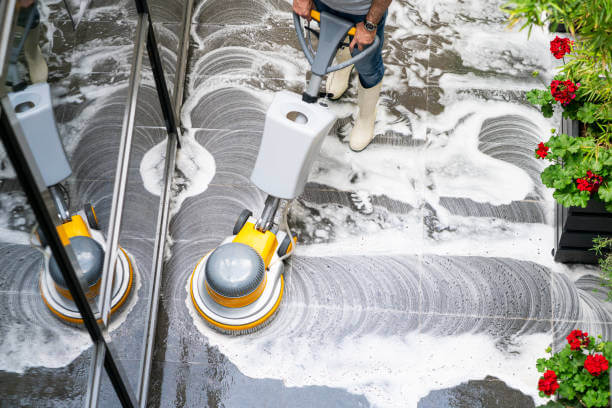
The production of Linear Alkylbenzene Sulfonic Acid (LABSA) through SO₃ film sulfonation imposes strict limits on feedstock composition and process parameter control. Commercial-scale reactors—typically falling-film multi-tube units with a reaction zone temperature maintained at 40–65°C and a gas-phase SO₃ concentration of 4–6% vol in dry air—demand a linear alkylbenzene (LAB) feedstock with a bromine index below 15 mg Br/100 g as per ASTM D5776-21 to prevent excessive formation of tetraline-derived color bodies and sulfone by-products. The mole ratio of SO₃ to LAB is maintained within 1.02:1 to 1.05:1; excursions above 1.07:1 escalate over-sulfonation, generating anhydride and disulfonate species that elevate the active matter’s color to a Klett value exceeding 50 (ASTM D1209-05). The falling-film heat-transfer coefficient must be sustained above 500 W/m²·K to prevent localized hot spots, which catalyze charring and reduce the final LABSA yield below the 97% target on a 100% active basis. Feedstock branching ratio, quantified as 2-alkyl isomer content, directly influences the cold-flow properties of the sulfonated product: a 2-phenyl isomer fraction above 25% results in a pour point depression below –5°C, whereas a shift to predominantly internal phenyl alkanes weakens packing efficiency and raises viscosity in downstream formulated liquid detergents, measured at 25°C with a rotational viscometer (ISO 3219:1993). Reactor materials of construction—typically 316L stainless steel—must withstand a continuous exposure to free SO₃ and nascent H₂SO₄ at dew-point conditions near 80°C without pitting corrosion, and electrostatic precipitation downstream is calibrated to capture acid mist with 99.5% efficiency to meet local emission standards.Crude LABSA from the sulfonation unit is typically aged for 4–24 hours under controlled nitrogen blanketing to complete the hydrolysis of any residual sulfone intermediates. The acid number, determined by potentiometric titration per ISO 2271:1989, is targeted at 180–185 mg KOH/g for C10–C13 linear alkyl chains. When the alkyl chain distribution includes C14 components above 5 wt%, the acid number decreases proportionally, requiring compensation in neutralization stoichiometry when producing sodium alkylbenzene sulfonate (LAS) salt for powder detergents. Hydrotrope tolerance in liquid formulations with sodium xylene sulfonate content above 2% on total formula weight must be confirmed by cloud-point measurement because mixed micelle formation alters the effective hydrophile-lipophile balance (HLB).Addition of LABSA to a neutralization loop at 35–45°C under high-shear rotor-stator agitation (tip speed > 20 m/s) and a pH endpoint of 7.0–7.5 (measured with a temperature-compensated electrode per ASTM E70-19) is the standard route to LAS paste with a concentration of 50–60% active matter. Beyond this concentration, the paste exhibits a yield stress exceeding 500 Pa and transitions to a Bingham plastic, making transfer by positive displacement pumps mandatory, specifically progressing cavity pumps with abrasion-resistant stators. Any fluctuation in the pH neutralization endpoint above 8.0 degrades the LAS foam stability index (Ross-Miles ASTM D1173-07, 0.1% active solution at 49°C) by promoting partial oxidation of the surfactant’s alkyl chain, a phenomenon documented in production-scale tower spray drying operations when the inlet air temperature exceeds 350°C and residence time surpasses 30 seconds.High-foam heavy-duty detergent powders formulated for front-loading washing machines in geographies where consumers perceive foam volume as cleaning efficacy rely on LABSA-to-LAS conversion as the primary anionic surfactant. The foam profile under European wash conditions (wash temperature 60°C, water hardness 300 ppm CaCO₃, fabric-to-liquor ratio 1:6) is critically dependent on the linear alkyl chain with terminal phenyl attachment; secondary alkane sulfonates (SAS) fail to reproduce the foam-volume plateau between 15–40 mmol/L surfactant concentration because SAS micelles exhibit a greater CMC and a wider micelle size distribution that promotes rapid film drainage. In a typical tower-agglomerated powder, the incorporation of 12–15% LAS (active basis) combined with 2–3% alkyl ethoxy sulfate (AES) and 5–8% zeolite 4A builder (mean particle size 3–5 μm) achieves a bulk density of 450–550 g/L when the slurry moisture is controlled at 38–42% prior to the high-pressure ring-nozzle pump operating at 30–60 bar. Replacing one-third of the LAS with SAS drops the foam height at 15 minutes by 25–35 mm under the Ross-Miles protocol, which falls below the market specification threshold of 180 mm set by key detergent brand specifications in Southern Europe.The processing window on a detergent agglomeration line using a Z-blade mixer with a working capacity of 5,000 kg/h is narrowed further when LABSA-based LAS paste is substituted: SAS pastes show a lower critical solution temperature (LCST) behavior near 70°C, and the torque on the mixer main drive increases by 12–18% when the neutralization exotherm pushes the mass temperature above 65°C, risking phase separation before layering onto zeolite carrier. LABSA-derived LAS, by contrast, remains isotropic in the 40–80°C range, allowing greater flexibility in agglomerator heat management. The powder’s dust fraction (sieve < 150 μm) must remain below 5% to comply with REACH occupational exposure limits for respirable anionic surfactant dust, and dust adherence to packaging lines is minimized by post-dosing 0.5–1% of a high-molecular-weight polyethylene glycol (PEG 4000) as a dedusting aid, which is only compatible if the LAS paste moisture is below 0.8% free alkalinity to avoid ester hydrolysis.Bleach compatibility in oxygen-based powder formulations imposes an additional constraint on LABSA purity. The active oxygen loss from sodium percarbonate (sodium carbonate peroxyhydrate) is measured after 28 days of accelerated storage at 40°C/75% RH according to ASTM D2180-17. The presence of unreacted LAB in the LAS exceeding 0.5% accelerates perhydroxyl radical decomposition through an autoxidation chain mechanism, reducing active oxygen retention to below 80% of the initial value, which fails the internal specification of leading detergent manufacturers that require 90% retention. Therefore, the final distillation fraction of the sulfonation feedstock must strip out alkylbenzenes with boiling points above 290°C to achieve the non-sulfonatable content limit of 0.3% maximum per UOP 998-20 method.The dissolution behavior of LAS powders in cold-water (10°C) washing cycles, especially in Japanese and North Asian markets, is directly correlated with the neutralization temperature profile during LAS paste production, where a slower neutralization ramp of 1°C/min produces acicular surfactant crystals that dissolve 20% faster than the plate-like morphology formed at a quench rate of 5°C/min, as confirmed by electrical conductivity dissolution time testing under a standard launder-o-meter protocol adapted from AISE guidelines.When processing heavy-duty laundry liquids, the addition of LABSA directly to a structured surfactant system comprising 15–20% LABSA, 3–5% lauramine oxide, and 5–8% sodium dodecyl sulfate at a final pH of 6.8–7.2 creates a multiphase lamellar dispersion that suspends nonionic silicone antifoam droplets of 20–50 μm for no fewer than 6 months at ambient storage without visible sedimentation. The zeta potential of suspended particles must be maintained more negative than –30 mV, as measured by electrophoretic light scattering (ISO 13099-2:2012), and this is achieved by keeping the excess alkalinity (as NaOH) at 0.1–0.3% relative to LABSA weight. Deviation below this narrow range results in free LABSA hydrolysis generating cyclic sulfonate esters that act as defoamers, lowering the product’s flash foam performance in textile washing simulators below the critical 200 mL mark in the cylinder shake foam test (internal method based on CEN/TR 17516:2020).In maintenance cleaning of ferrous metal surfaces prior to non-destructive testing, LABSA is occasionally co-formulated with inhibited phosphoric acid at concentrations of 0.5–2% to create a temporary passivation film that reduces flash rusting during the interval between chemical stripping and repainting. The mechanism relies on the sulfonate group’s ability to chelate Fe²⁺ ions at the anodic site while the linear alkyl chain provides a hydrophobic barrier with a measured contact angle of 85–95° on SAE 1010 carbon steel panels according to ASTM D7334-08. The pH of the working bath must be held at 2.5–3.5 using a buffered sulfamic acid system because any pH drop below 2.0 protonates the sulfonate to its free acid form, breaking the adhesion of the protective film and accelerating pitting corrosion rates to 0.5 mm/year as measured by linear polarization resistance (ASTM G59-97). Industrial immersion tanks operating at 50°C with a turnover of 200 m³/week must integrate an automated dosing system with feedback from a process pH probe calibrated every shift with pH 2.00 and pH 4.01 buffers traceable to NIST SRMs to prevent this cliff-edge degradation.Combination with cationic surfactants in the same degreaser formulation is expressly avoided due to the formation of insoluble catanionic complexes that precipitate on the substrate as a white smut, quantifiable by a haze increase of 15–30% on a BYK-Gardner haze-gloss meter per ASTM D4039-09, leading to coating adhesion failures in subsequent electrophoretic painting operations requiring a surface profile of Rz < 10 μm.The choice of a linear dodecylbenzene sulfonic acid with a 2-phenyl isomer content below 20% ensures the fastest wetting speed on cold-rolled steel, achieving a Draves wetting time of 15 seconds at 0.05% active concentration in distilled water at 15°C (AATCC Test Method 17-2005). Any branching in the alkyl chain, above the 5% dialkyltetralin level, increases the wetting time by 8–10 seconds due to steric hindrance at the interface, making the resulting cleaning step incompatible with high-speed strip mills processing > 150 m/min of coil.When the stripping bath is operated beyond 500 bath turnovers, accumulated metal carboxylates from dissolved oxidized organic soils exceed the critical micelle concentration of the LABSA component, reducing the degreasing efficiency by 40%. To restore performance, the oil-loaded LABSA fraction is removed by an ultrafiltration membrane skid equipped with 0.1 μm polyvinylidene fluoride (PVDF) hollow fibers at a cross-flow velocity of 3 m/s, extending bath life to 2,000 turnovers before complete bath dump. This operational data is derived from a coil coating line with a line speed of 120 m/min and a chemical section length of 80 m.Concentrated LABSA, when used as an emulsifiable concentrate for oil removal prior to zinc phosphate conversion coatings, cannot be applied directly to galvanized steel substates because the free sulfonic acid aggressively attacks the zinc layer, generating hydrogen gas bubbles that cause coating porosity. In such cases, pre-neutralization with monoethanolamine to a pH of 5.5–6.0 is mandatory, and the amine sulfonate formed provides a temporary chelating effect on Zn²⁺ ions, measurable as a reduction in dissolved zinc in the overflow from 50 mg/L to less than 5 mg/L (ICP-OES per ISO 11885:2007).In the USA, degreasers containing LABSA that are intended for metalworking fluid cleanup during maintenance-not-production operations must still comply with VOC regulations under 40 CFR Part 63 Subpart KK for halogenated solvent cleaning if they are co-solvented with any compound having a vapor pressure greater than 0.1 mmHg at 20°C. The sulfonic acid itself, with a vapor pressure below 0.001 mmHg, falls outside the VOC definition, but the buffer solvents such as 2-butoxyethanol must be inventoried and reported if the aggregated usage exceeds 2.9 Mg/year.Paint stripping of epoxy-polyamide coatings from concrete floors using LABSA/glycolic acid blends at a 1:1 weight ratio shows a peel time of 45 minutes for a film thickness of 250 μm when the gel is applied with a rigid scraper and covered by polyethylene sheeting to prevent evaporation. The methylene chloride-free formulation relies on the acid-induced hydrolysis of the amide linkage, and the addition of 2% xanthan gum (rheology modifier) provides the required thixotropic index (> 5 as per ASTM D2196-20) to adhere to vertical surfaces without sagging at 40°C.The use of LABSA in ammonium bifluoride-based wheel cleaners for the automotive aftermarket, though effective at dissolving brake dust containing magnetite and metallic iron, requires precise buffering because the release of HF upon reaction with silicates in brake pads can etch glass wheels if the operational pH drops below 3.0. Therefore, a citrate/phosphate buffer system is implemented, and the cleaning solution is rejected by a simple test method using a pH 2.5 threshold indicator strip integrated into the product label, consistent with the recommendations of the German BRA (Bundesverband Reifenhandel und Vulkaniseur-Handwerk e.V.) for alloy wheel safety.Pre-treatment of aluminum HVAC fins before hydrophilic coating with LABSA at 0.2% and a pH of 3.0 adjusted with citric acid removes extrusion oils without causing intergranular corrosion detectable by metallographic cross-sectioning, a benefit attributed to the linear alkyl chain sterically hindering the approach of protons to grain boundary precipitates containing Mg₂Si. This application, however, is highly sensitive to the contact time, limited to a 3–5 second spray at 1.5 bar pressure, because exceeding this interval causes a measurable loss of fin thickness (0.02 mm extra removed) and reduces the heat exchanger burst pressure rating below the ASHRAE 33 standard requirement.Global phase-out of perchloroethylene in dry cleaning and textile pre-treatment due to its classification under Annex A of the Stockholm Convention has driven the development of LABSA-stabilized microemulsions for the scouring of raw wool and cotton knit goods. A composition containing 5% LABSA, 15% ethyl hexyl lactate, 7% ethoxylated sorbitan ester, and 73% water, when homogenized under a high-pressure homogenizer of 800 bar (first stage) and 80 bar (second stage) following the PIT (phase inversion temperature) method, produces droplets with a volume mean diameter below 50 nm as measured by dynamic light scattering (ISO 22412:2017). The resulting microemulsion scours lanolin from greasy wool at a bath ratio of 1:10 at 60°C for 30 minutes, reducing residual grease content to 0.5% owf (on weight of fiber), which is comparable to the industry standard of 0.3% achieved by solvent scouring but without the thermal energy consumption of solvent recovery distillation. The LABSA in this system functions as both a hydrotrope and a wetting agent, with its critical packing parameter adjusted by the presence of the nonionic co-surfactant to favor the formation of a bicontinuous or oil-in-water microemulsion domain.However, the microemulsion’s stability collapses when the salt concentration from the suint (wool sweat) exceeds 2 g/L expressed as potassium chloride, because the electrolyte compresses the electrical double layer around sulfonate headgroups, raising the cloud point temperature of the nonionic surfactant beyond the process temperature and phase-separating the mixture into a turbid macroemulsion with a median droplet size > 5 μm. To counteract this, the scouring bath is equipped with a conductivity controller (setpoint 1.8 mS/cm) that triggers a partial bath purge and fresh surfactant replenishment at a ratio of 1 L purge per 10 kg of wool processed. In continuous ranges with a throughput of 2,000 kg/h of wool top, this feedback loop is integrated with a PLC that logs the bath conductivity every 20 seconds, ensuring that the scouring efficiency, measured by IWTO-10-00 (extractable solvent method), remains within the 0.5–0.7% residual oil window required for subsequent combing operations.Compatibility with optical brightening agents (OBAs) applied in the same bath is a key parameter. Stilbene disulfonate-type OBAs require the anionic character of LABSA to avoid quenching of fluorescence. The fluorescence intensity at 440 nm excitation is reduced by 15% if the bath contains more than 50 mg/L of free calcium ions; therefore, the incoming water is softened to 10 pits/cm² under scanning electron microscopy.A significant operational hazard associated with LABSA in acidizing is the highly exothermic reaction with hydrochloric acid: direct addition of high-concentration LABSA to HCl can cause localized temperature spikes above 120°C and release toxic SO₂ fumes if the LABSA decomposes. To mitigate this, the acid is pre-cooled to 5°C in a blending tub before slow LABSA injection below the liquid surface with a sparge ring, and the blend ratio is limited to a maximum of 3% LABSA per volume of 15% HCl. In coil-tubing operations at depths below 5,000 m, the formation of an acid-LABSA gel slug with a plastic viscosity exceeding 50 cP at 100 s⁻¹ can increase the friction pressure drop by 15–20% in a 1.75-inch coiled tubing string, a load that must be accounted for in the pumping schedule to avoid exceeding the burst pressure rating of the tubing.In high-temperature wells (> 120°C BHST), the thermal breakdown of LABSA via desulfonation starts to occur, releasing sulfuric acid and generating an oxidized alkylbenzene sludge. The threshold temperature for this decomposition in a live acid environment was determined by DSC/TGA to be approximately 135°C in a sealed ampoule; thus, LABSA is not recommended for stimulation jobs where the bottomhole temperature exceeds 125°C, representing a clear operational boundary. Published data for specific LABSA degradation kinetics in high-acid, high-pressure environments is limited, but field data from the North Sea Chalk reservoirs indicates that acid jobs with LABSA at 110°C BHST successfully achieved wormhole penetration of 15 m as verified by pressure falloff analysis, whereas at 130°C the treatment screen-out occurred, likely from sludge formation.For chelating-agent-based stimulation fluids (e.g., GLDA at pH 3–4), LABSA is not compatible because the sulfonate group competes with the chelant for metal ions and reduces the chelant’s dissolving capacity for calcite by up to 30%, a result confirmed by core flood dissolution tests at 5 mL/min injection rate with Indiana limestone cores of 20% porosity.The use of LABSA as a foaming agent in acidizing foams—blended with 1% LABSA, 3% nitrogen (foam quality 70%), and 15% HCl—provides fracture fluid diversion by the foam’s high viscosity (apparent viscosity > 200 cP at 170 s⁻¹ on a foam rheometer). The half-life of the foam at 80°C and 1,000 psi must exceed 3 hours to be effective, and LABSA-based foam meets this criterion, whereas alpha-olefin sulfonate foams collapse in 90 minutes under identical conditions. Nonetheless, the foam stability sharply deteriorates in the presence of crude oil with an asphaltene content above 2%, as the asphaltenes adsorb at the gas/liquid interface and destroy the foam lamellae, so a pre-flush of xylene is sometimes required, adding 15 bbl of solvent per zone.The disposal of flowback fluids containing LABSA must comply with local environmental discharge limits for total organic carbon (TOC) and anionic surfactants. In the North Sea OSPAR area, the permitted concentration of anionic surfactants in produced water discharge is 1 mg/L (OSPAR Recommendation 2012/5), so flowback must be routed to injection wells or treated by activated carbon filtration before overboard discharge, adding a cost of approximately $0.80–1.20/bbl of fluid handled based on available service company estimates.Cleaning of crude oil storage tanks (API 653 inspections) using LABSA as the primary surfactant in a tank-cleaning package requires a concentration of 0.5–2% circulated through a jet mixer at 30 psi and heated to 60°C to fluidize waxy sludge. The solvent is often recirculated cutter stock or LCO (light cycle oil), and the LABSA aids in suspending the recovered oil phase. The tank must be gas-freed and entry must comply with OSHA 29 CFR 1910.146 confined space entry standards, and the LABSA-based cleaning fluid must have a flash point > 60°C (Pensky-Martens closed cup, ASTM D93-20) to maintain non-flammable classification.
-
Linear Alkylbenzene Sulfonic Acid Price Trend
In commercial sulfonation operations, the spot pricing of linear alkylbenzene sulfonic acid (LABSA) does not behave as a simple lagging function of linear alkylbenzene (LAB) feedstock cost, despite LAB typically accounting for 62–68% of the cash cost structure. During periods of sustained upstream benzene or n-paraffin tightness, the cost-pass-through mechanism becomes asymmetric; LABSA buyers on quarterly contract terms frequently observe a 3- to 5-week delay in upward price revisions but an immediate downward adjustment when LAB spot prices correct, a phenomenon documented in ICIS pricing commentary across the ARA (Amsterdam-Rotterdam-Antwerp) hub for the 2018–2022 cycle. This temporal asymmetry is amplified by the inventory-holding behaviour of sulfonators running falling-film reactors, where the practical minimum residence time of liquid SO₃ feedstock and intermediate oleum limits the rate at which alternative feedstock arbitrages can be exploited, thereby creating pricing inertia at the finished acid stage that is not captured by linear regression models of LAB-to-LABSA spread.Process Route Cost Differentials and Their Price TranslationThe choice between SO₃ gas film sulfonation, oleum batch sulfonation, and sulfuric acid sulfonation directly imposes a structural cost floor that partitions global LABSA spot markets into distinct quality-price tiers. SO₃ continuous film sulfonation, executed on Chemithon or Ballestra plants with tube-in-tube reactor designs operating at process air dew points below -40°C, yields active matter contents above 96% and free oil below 0.5%, commanding a premium of $40–$65/tonne over oleum-grade material in the Indian subcontinent and Southeast Asian bulk parcel markets as of Q2 2024. The cost structure of the oleum route is dominated by sulfuric acid regeneration energy, with typical regeneration furnace fuel gas consumption of 2.8–3.2 MMBtu per tonne of 20% oleum produced, linking oleum-route LABSA pricing to natural gas indices rather than solely to LAB. When Dutch TTF gas prices exceeded €120/MWh in August 2022, European oleum-sulfonation units faced negative variable margins even as LAB prices softened, forcing temporary idling of 3 small-scale reactors in the Rhine corridor and creating regional supply gaps that pushed spot LABSA delivered duty paid (DDP) NWE prices to a 14-month high independent of LAB feedstock movement.Approximate Variable Cost Build-Up, SO₃ Film Sulfonation Route (US Gulf Coast Basis, 2023)Cost ComponentConsumption per tonne LABSATypical Unit CostShare of Variable CostLinear Alkylbenzene (LAB)0.78–0.80 tonnesSpot + logistics62–68%Sulfur (via SO₃ generation)0.11–0.13 tonnesClarksville/Tampa contract10–14%Process electricity55–75 kWhIndustrial tariff2–3%Cooling water & inert gasPlant-specificInternal transfer1–2%Packaging (HDPE drums/IBCs)As per delivery formResin-indexed3–5%Quality control & compliancePer batch (ISO 2271, ASTM D3049)Labour + reagent